Why Does Cryotherapy Really Freeze Away Stubborn Fat?

Time:2026-06-07 Author:Ethan
0%

Cryotherapy has gained significant attention for its potential in fat reduction. Many individuals wonder, "does cryotherapy slimming really freeze away stubborn fat?" Recent studies indicate that this innovative treatment can target localized fat deposits effectively. One study from the American Journal of Clinical Dermatology reported that cryolipolysis can reduce fat in treated areas by up to 25%.

The mechanism behind cryotherapy involves controlled cooling that targets fat cells. This process induces apoptosis, allowing the body to naturally eliminate fat over time. However, results can vary. Not every participant achieves the same level of fat reduction. Some may experience only minimal changes, raising questions about the technique's reliability in different body types.

Additionally, it’s essential to note that cryotherapy is not a magical solution. Healthy lifestyle choices remain crucial for sustainable results. Combining cryotherapy with proper diet and exercise may enhance its effectiveness. As this field evolves, ongoing research is needed to better understand the long-term effects and optimal protocols. Users must remain informed, balancing expectations with realistic outcomes.
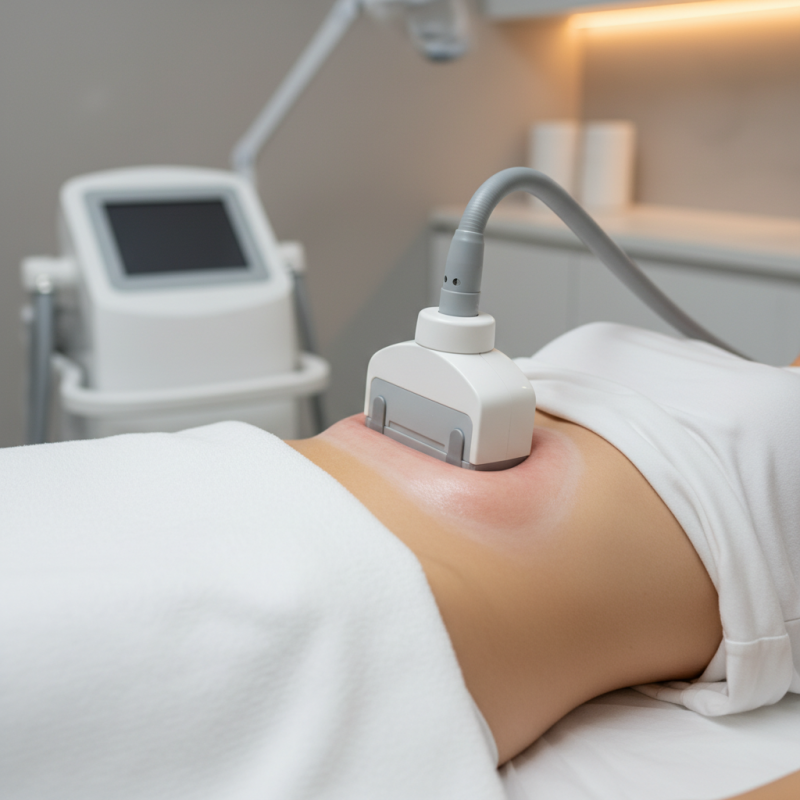
Why Does Cryotherapy Really Freeze Away Stubborn Fat?

What is Cryotherapy and How Does It Work?

Cryotherapy is an innovative therapy gaining attention for fat reduction. It involves exposing targeted areas of the body to extremely low temperatures. This process aims to freeze fat cells without harming surrounding tissues.

During a cryotherapy session, practitioners apply cold packs or use specialized machines. The temperature applied can reach as low as -10 to -50 degrees Fahrenheit. Fat cells are more vulnerable to cold than other cells, leading to their breakdown. After treatment, your body’s natural processes eliminate these damaged cells over time. Results often take weeks or even months to fully appear, which might challenge some people’s patience.

While cryotherapy shows promise, it isn’t a one-size-fits-all solution. Not everyone achieves the same results. Factors such as diet and individual metabolism play a role too. For some, it may produce noticeable changes; for others, it might not meet expectations. It’s essential to consult with health professionals before beginning any treatment. Understanding the potential and limitations can help in making informed decisions.

The Science Behind Fat Freezing: Understanding Cryolipolysis

Cryolipolysis, often referred to as fat freezing, is a non-invasive technique that targets stubborn fat cells. This process involves cooling specific areas of the body to a temperature that crystallizes fat cells. Once frozen, these cells undergo a natural death process and are eliminated by the body's lymphatic system over time. This method can effectively reduce fat without damaging surrounding tissues.

Understanding the science behind cryolipolysis is essential. The procedure works best on pinchable fat areas. Areas like the abdomen, thighs, and flanks respond well. Patients often see results within weeks, with optimal changes appearing after a few months. However, results may vary. Some may experience discomfort during the procedure. It's crucial to set realistic expectations.

Here are some tips for those considering cryotherapy: ensure you consult with a qualified professional. An expert can evaluate if this option is suitable for you. Stay hydrated before and after the procedure. Adequate hydration can promote better lymphatic drainage. Lastly, manage your expectations. Results will not be instant, and maintaining a balanced lifestyle is important for lasting effects.

Effects of Cold Temperature on Fat Cells: A Biological Perspective

Cryotherapy has gained attention for its ability to target and reduce stubborn fat through cold exposure. The biological response of fat cells to cold temperatures can lead to a process known as apoptosis, or programmed cell death. Research indicates that fat cells are particularly sensitive to cold, which exposes them to stress and induces a breakdown of their lipid content.

In a study published in the journal Plastic and Reconstructive Surgery, researchers observed a reduction of up to 25% in fat layer thickness after cryotherapy treatment. This change results from the body’s natural process of eliminating damaged fat cells over time. Notably, this method is non-invasive, making it an attractive option for those seeking body contouring without surgery.

Tip: Stay hydrated before and after cryotherapy sessions. Hydration supports your body's recovery and enhances the elimination of fat cells.

However, not everyone will respond to cryotherapy in the same way. Some individuals may experience only minimal changes. Factors such as individual metabolism and body composition play a crucial role.

Tip: Monitor your body’s response closely after treatments. Keeping track of changes can help you and your practitioner adjust future sessions for even better outcomes.

Seeking professional guidance is essential. It allows for personalized treatment plans based on your unique body type and health status, ensuring more effective results.

Potential Benefits and Risks of Cryotherapy for Fat Loss

Cryotherapy has gained popularity as a method to reduce stubborn fat. By exposing fat cells to extreme cold, the procedure aims to induce fat cell death. A study published in the "Journal of Cosmetic Dermatology" noted a fat reduction of up to 25% in targeted areas after a single session. Such results draw interest, yet potential risks accompany them.

Common side effects include redness, swelling, and temporary numbness. In some cases, patients have reported paradoxical adipose hyperplasia, where fat cells expand instead of diminish. This paradox presents a critical reflection point for potential users. While many experience positive outcomes, the variability in individual responses raises concerns.

Professional assessments highlight the need for a thorough consultation. Not everyone is a suitable candidate for cryotherapy. Also, while some evidence suggests effectiveness, long-term results remain unclear. The American Society of Plastic Surgeons emphasizes that further research is necessary to fully understand the implications of this treatment. With the right precautions, users can weigh the benefits against the risks involved in this trend.

Why Does Cryotherapy Really Freeze Away Stubborn Fat? - Potential Benefits and Risks of Cryotherapy for Fat Loss

Aspect Details
Process Localized cooling of fat cells to induce apoptosis (cell death)
Target Areas Abdomen, thighs, flanks, underarms, chin
Potential Benefits Reduction in fat thickness, improved body contour, non-invasive procedure
Duration of Treatment Typically 35-60 minutes per session
Results Timeline Visible results may take 1-3 months
Side Effects Redness, swelling, bruising, temporary numbness
Contraindications Cold sensitivity, cryoglobulinemia, certain medical conditions
Cost Range $2,000 - $4,000 for multiple sessions

Real-World Results: Success Stories and Clinical Studies on Cryotherapy

Cryotherapy, an innovative treatment for stubborn fat, has gained traction in recent years. Clinical studies show that localized cooling can lead to significant fat reduction. For instance, a study published in *Obesity* revealed a reduction in fat by 20-25% in targeted areas after just one session. This has encouraged many people to explore its benefits.

Success stories are numerous. Many clients report visible results within weeks. One study from the *Journal of Cosmetic Dermatology* indicated that over 80% of participants noticed improved body contours after a series of treatments. However, results can be subjective. Factors like individual body composition and metabolism play a significant role.

Tips: Consider consultations with professionals before starting. They evaluate your suitability for the procedure. Keep realistic expectations; results vary among individuals. Tracking progress through photographs can help visualize changes over time. Consistency in treatment often leads to better outcomes, but patience is vital.

Why Does Cryotherapy Really Freeze Away Stubborn Fat?

FAQS

: What is cryotherapy?

: Cryotherapy is a treatment that uses cold exposure to target stubborn fat cells.

How does cold temperature affect fat cells?

Cold temperatures can induce apoptosis in fat cells, leading to their breakdown.

What are the expected results of cryotherapy?

Some studies indicate a fat reduction of 20-25% in targeted areas after treatment.

Is cryotherapy non-invasive?

Yes, cryotherapy is a non-invasive option for body contouring without surgery.

Why is hydration important before cryotherapy?

Staying hydrated supports recovery and enhances the elimination of damaged fat cells.

Will everyone see the same results from cryotherapy?

No, individual responses vary; factors like metabolism and body composition affect outcomes.

Should I see a professional before starting cryotherapy?

Yes, professional guidance is important for personalized treatment plans and effective results.

How can I track my progress after cryotherapy?

Keeping track of changes through photographs can help visualize results over time.

How soon can I expect to see changes after treatment?

Many clients report visible results within weeks, but individual experiences may differ.

Is consistency important in cryotherapy treatments?

Yes, consistent treatment often leads to better outcomes, but patience is essential.

Conclusion

Cryotherapy has gained popularity as a non-invasive treatment for body contouring, raising the question: does cryotherapy slimming really freeze away stubborn fat? This innovative approach utilizes cold temperatures to target and eliminate fat cells without harming surrounding tissues. The process, known as cryolipolysis, relies on the biological response of fat cells to cold exposure, leading to their gradual breakdown and absorption by the body.

Research indicates that cryotherapy can be effective in reducing localized fat deposits, with numerous success stories and clinical studies supporting its efficacy. However, potential benefits must be weighed against possible risks, such as skin sensitivity or temporary discomfort. Overall, while cryotherapy offers a promising option for fat loss, individuals should consider various factors and consult professionals to determine its suitability for their unique needs.

Ethan

Ethan

Ethan is a seasoned marketing professional with a deep expertise in our company's innovative product line. With a passion for sharing knowledge and insights, he takes the lead in regularly updating our corporate blog, where he explores industry trends, product features, and effective marketing......